WhatsApp Image 2025-04-04 at 13.57.02_5153216f
London by Maria Hanlon

Laser Tattoo Removal

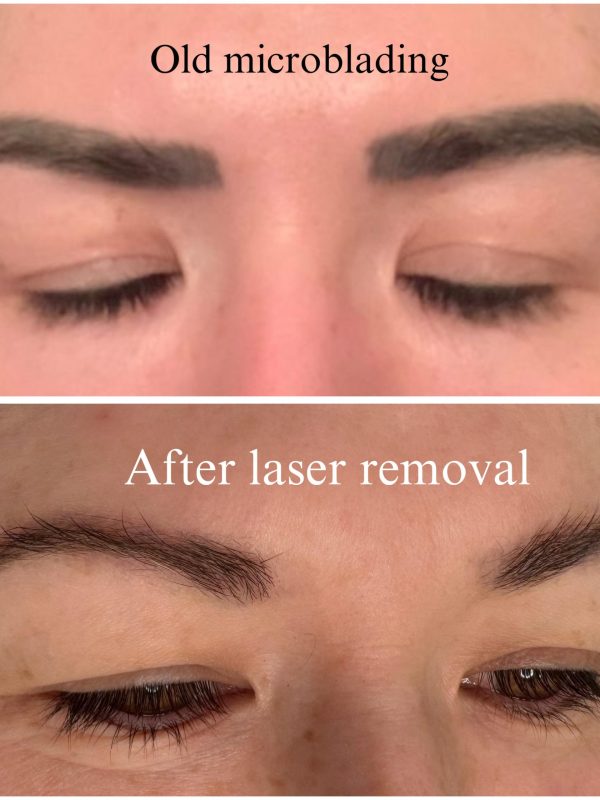
Laser Tattoo Removal for Eyebrows & Small Black Ink Tattoos

Laser tattoo removal is a non-invasive procedure that effectively removes unwanted ink by using laser energy to break down pigment particles. The body’s immune system then clears these fragmented pigments over time .
Sessions are spaced 4 to 8 weeks apart to allow healing Complete removal may take a few to several months to a year depending on tattoo characteristics and individual healing response .
A patch test is required at least 48 hours prior to treatment .
More information will be given upon enquiry or booking appointment.

Book Now

Choose your treatment, date and time through our online booking system.

The Incredible

Tattoo Removal

I specialize in saline tattoo removal, employing the highly effective LI-FT solution, known for its safety and efficacy. Using only top-tier ingredients and techniques, I prioritize my clients’ optimal outcomes. LI-FT’s composition, including purified water, salt, and extracts from lemon and orange seeds, ensures its safety for skin application. However, as with any cosmetic procedure, there are inherent risks, particularly for individuals prone to skin irritation. It’s crucial to address any concerns, allergies, or sensitivities beforehand to ensure a successful and comfortable experience. Your safety and satisfaction are my top priorities throughout the removal process.

Saline vs Laser

Saline tattoo removal, utilizing a saline solution to draw out tattoo pigment, offers several advantages over laser removal. It tends to be less painful, even compared to the initial tattoo application. Unlike laser, it’s not color-specific, making it effective for difficult colors like red, orange, and yellow. Additionally, saline removal carries a lower risk of scarring. While both methods require multiple sessions, saline removal’s versatility and potential for reduced discomfort make it a favorable option for those seeking tattoo removal. However, individual factors such as skin type and tattoo characteristics should be considered when choosing between saline and laser removal.

Treatment

The saline tattoo removal process requires careful consideration and patience. Sessions are spaced 6 to 8 weeks apart to ensure proper healing and minimize the risk of scarring. Initially, the removal area may appear red and rashy, followed by scabbing over the next few days to weeks. After scabs naturally fall off, the skin may appear pinkish. Post-treatment, it’s crucial to avoid sweating, washing, or using skin creams for 48 hours. During treatment, numbing cream is applied, followed by sterilization. Using a device similar to a tattoo gun, saline solution is implanted into the skin, breaking up pigment and facilitating its removal through osmosis. The healing process typically takes about 8 weeks, with multiple sessions often necessary for complete removal.

After Care

After completing tattoo removal, proper aftercare is crucial for optimal healing. It’s essential to allow the wound to dry heal, avoiding any unnecessary moisture. If working in high-risk environments, such as gyms or hospitals, covering the wound is advised to prevent infection. Resist the urge to pick or pull off scabs; let them naturally fall off to ensure proper healing and ink removal. If lymph fluid drainage occurs, gently blot the area with a clean paper towel. Refrain from using cosmetics or makeup on the wound to prevent delays in healing and potential infections. Avoid wetting the wound during showers and, after scab removal, consider applying a few drops of vitamin E oil to rehydrate the skin.

What is Saline Tattoo Removal?

Saline tattoo removal is a process by which we penetrate the skin with a saline solution (salt + purified water) to break up the tattoo pigment and draw it out of the skin.  The procedure is similar to tattooing or microblading but instead of injecting ink underneath the skin, we’re doing the reverse, which is pulling it out.

Is saline tattoo removal better than laser?

It tends to be less painful than laser removal and typically, even less painful than when the tattoo was first applied. Saline removal is not colour specific, unlike laser, meaning you may have better success treating commonly difficult to remove colours (red, orange, yellow, pale blue and white).

How long does it take for saline removal to work?

Day 1: Removal area will be red, possibly rashy looking

Day 2-10: Removal area will have a scab over it.

Day 10 – 4 weeks post procedure:  Scabs will fall off naturally. After the scabs have fallen off skin will appear pinkish.

How successful is the What to do after saline removal?

After your technician has completed a saline removal treatment, the area is already drying out, with no weeping or bleeding. It’s important that you allow the skin to fully dry during the next 48 hours, no sweating or washing the area, and definitely no skin creams of any kind!

  1. First, we use a numbing cream to help minimize any pain.
  2. We then sterilize the area.
  3. Using something similar to a tattoo gun, we penetrate the skin where the tattoo is and implant the saline solution into your skin.
  4. The solution then does its magic by breaking up the pigment and pulling it out to the outer surface of the skin through a process called osmosis.
  5. The extracted pigment heals into a scab and once it falls off you will find your tattoo being noticeably lighter.